Reiki
Reiki (pronounced ray-key) is a complementary therapy that originated in Japan in the early 20th century. The word Reiki combines the Japanese words rei (universal) and ki (life energy).
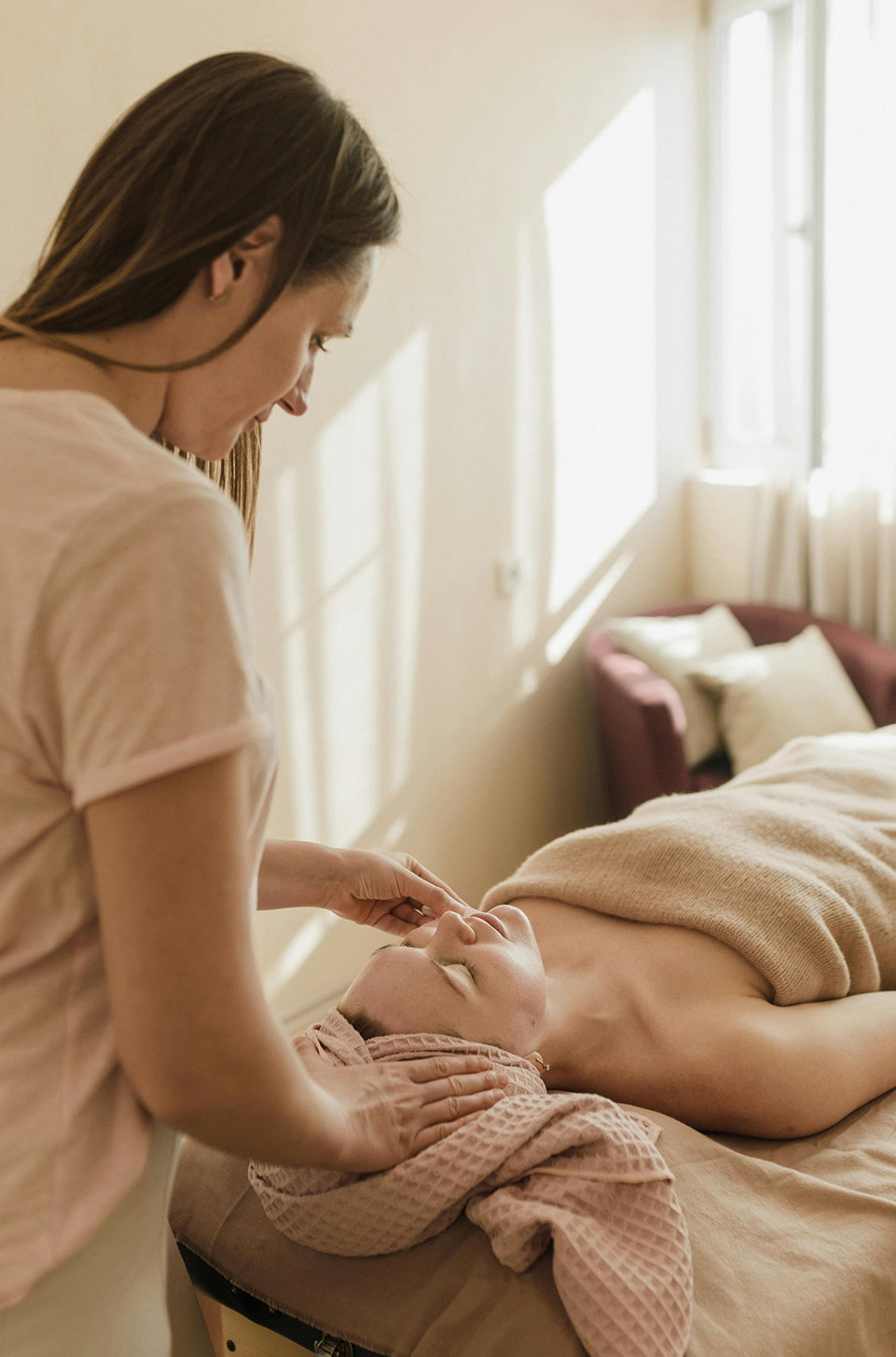
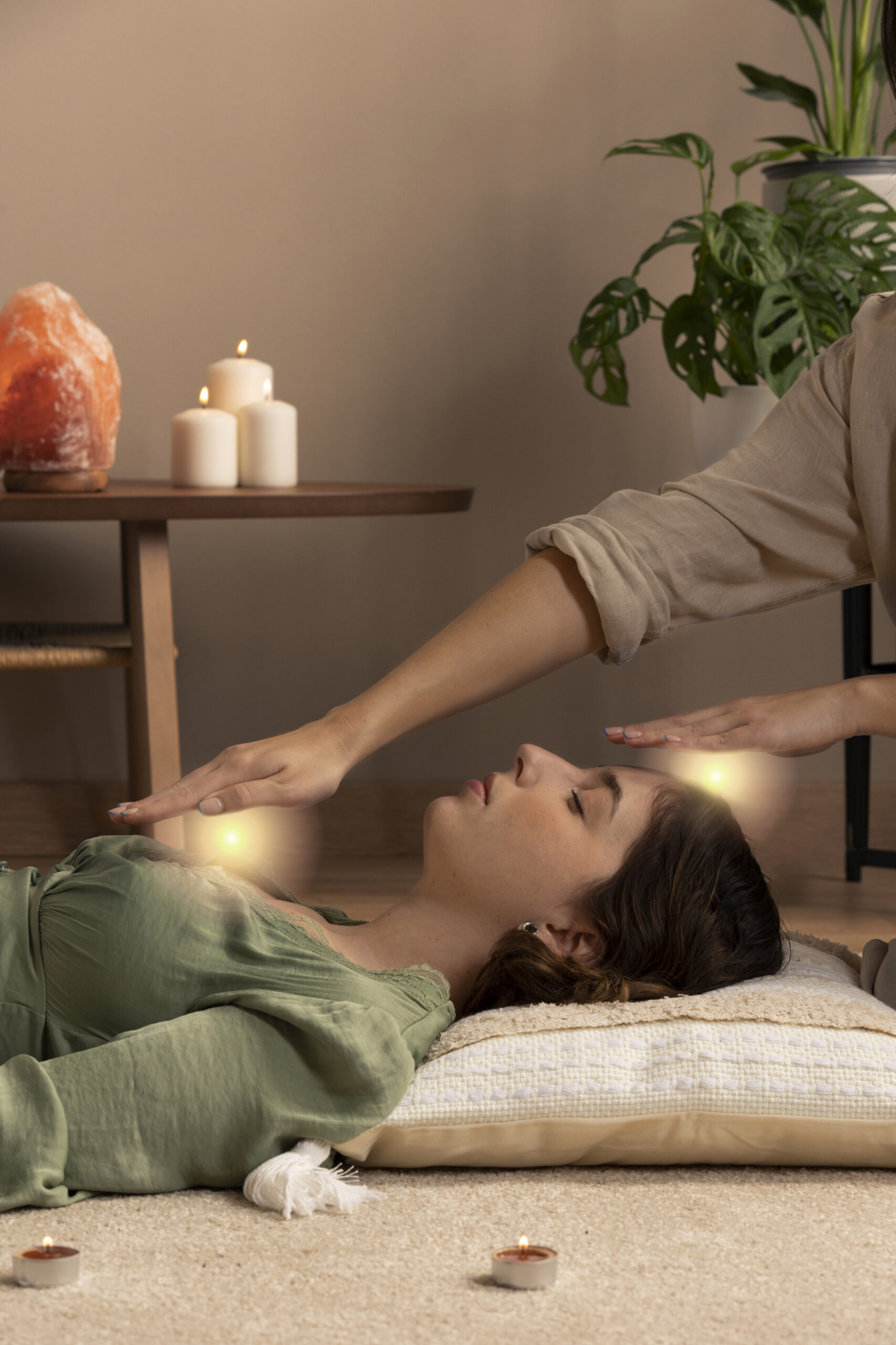
Reiki practitioners believe that a vital life energy flows through all living things. During a Reiki treatment, the practitioner places their hands lightly on or just above the body with the intention of supporting the client’s natural ability to relax and restore balance
A typical Reiki session:
- Is non-invasive and gentle
- Is carried out fully clothed
- Usually lasts between 30 and 60 minutes
- Takes place in a calm, relaxing environment
- Is designed to promote deep relaxation and wellbeing
Many people choose Reiki to help them:
- Reduce stress and tension
- Relax deeply
- Support emotional wellbeing
- Encourage a sense of balance and calm
- Complement their overall self-care routine
While many clients report positive experiences, Reiki is generally regarded as a complementary therapy and should not be considered a substitute for professional medical advice, diagnosis, or treatment.
How Reiki Works
Reiki is based on the belief that a natural life force energy flows through all living things. Reiki practitioners believe that when this energy becomes imbalanced, it may affect overall wellbeing and a person's ability to cope with stress.
During a Reiki treatment, the practitioner places their hands gently on or just above the body with the intention of supporting the flow of energy and encouraging a state of deep relaxation. The treatment is tailored to the individual and takes place in a calm, peaceful environment.
Many clients describe Reiki as a soothing and restorative experience that helps them feel more relaxed, balanced, and connected. While the exact way Reiki works has not been scientifically established, many people choose it as a complementary therapy to support their overall wellbeing and relaxation.
Reiki is a gentle, non-invasive therapy that does not involve medication or physical manipulation. It can be used alongside conventional healthcare, but it is not intended to diagnose, treat, cure, or prevent any medical condition and should not replace professional medical advice or treatment.
Precautions and Considerations
Reiki is a gentle, non-invasive complementary therapy that is generally considered suitable for most people. However, Reiki should not be used as a substitute for professional medical advice, diagnosis, or treatment.
If you have a medical condition, are receiving medical treatment, have concerns about your health, or are pregnant, it is advisable to discuss any complementary therapies you are considering with your healthcare professional.
Please inform your Reiki practitioner of any health conditions, injuries, or ongoing treatments before your session so that your treatment can be tailored to your individual needs.
Reiki can be used alongside conventional healthcare and is intended to support relaxation, wellbeing, and emotional balance as part of a holistic approach to health.